If you’ve spotted ants in the kitchen or heard scratching in the attic, your first instinct might be to handle it yourself. DIY pest control feels convenient, budget-friendly, and manageable, especially when the issue seems small. For many homeowners in Texas and Oklahoma, that first trip to the hardware store is a natural starting point.
At Barefoot Mosquito & Pest Control, we understand that instinct. While do-it-yourself methods can help in certain situations, they don’t always deliver the long-term protection and peace of mind that professional service is designed to provide. The right choice often depends on the pest type, the severity of the issue, and your home goals.
Why Many Homeowners Try DIY Pest Control First
DIY pest control is common for a reason. It offers quick action and appears less expensive upfront. When you’re dealing with what seems like a minor nuisance, it can feel unnecessary to schedule an inspection right away.
DIY methods tend to make sense in limited, specific situations. For example:
- Minor, isolated issues – A few ants near a doorway or occasional spiders in a corner
- Visible, contained problems – A single wasp nest in an accessible location
- Preventive maintenance – Sealing cracks, cleaning up food spills, and removing standing water
- Monitoring tools – Basic traps used to observe pest activity
In these cases, simple steps may help reduce activity. However, many pest problems are more complex than they initially appear to be.
The Limitations of DIY Pest Control
While store-bought products can provide temporary relief, they often don’t address the underlying cause of an infestation.
Lower-Strength Products and Short-Term Results
Most consumer-grade sprays and baits contain lower concentrations of active ingredients than professional materials.
As a result, they may:
- Break down more quickly
- Cover limited areas
- Provide shorter residual protection
This can result in repeated applications and purchases without fully resolving the issue.
Treating Symptoms Instead of the Source
DIY treatments often focus on the pests you see, not where they’re coming from.
Many infestations are rooted in hidden areas, such as:
- Nests and colonies – Inside walls, beneath slabs, or in landscaping
- Breeding sites – Moisture-prone spaces like crawl spaces or clogged gutters
- Entry points – Small foundation cracks or gaps around utilities
Without identifying and addressing these sources, pest activity may return weeks later.
Misidentification and Safety Risks
Different pests require different strategies. Carpenter ants and termites cause distinct types of damage. Mice and rats behave differently. Bed bugs and fleas require highly specific treatment approaches.
Misidentifying the pest can lead to the wrong product being used. Proper application is also important. Improper use of pesticides can expose children, pets, and food preparation areas to unnecessary risk. Even well-intentioned efforts can be frustrating if the problem recurs.
What Professional Pest Control Offers
Professional pest control is designed to look beyond surface-level symptoms and provide a more comprehensive plan.
Accurate Identification and Targeted Treatment
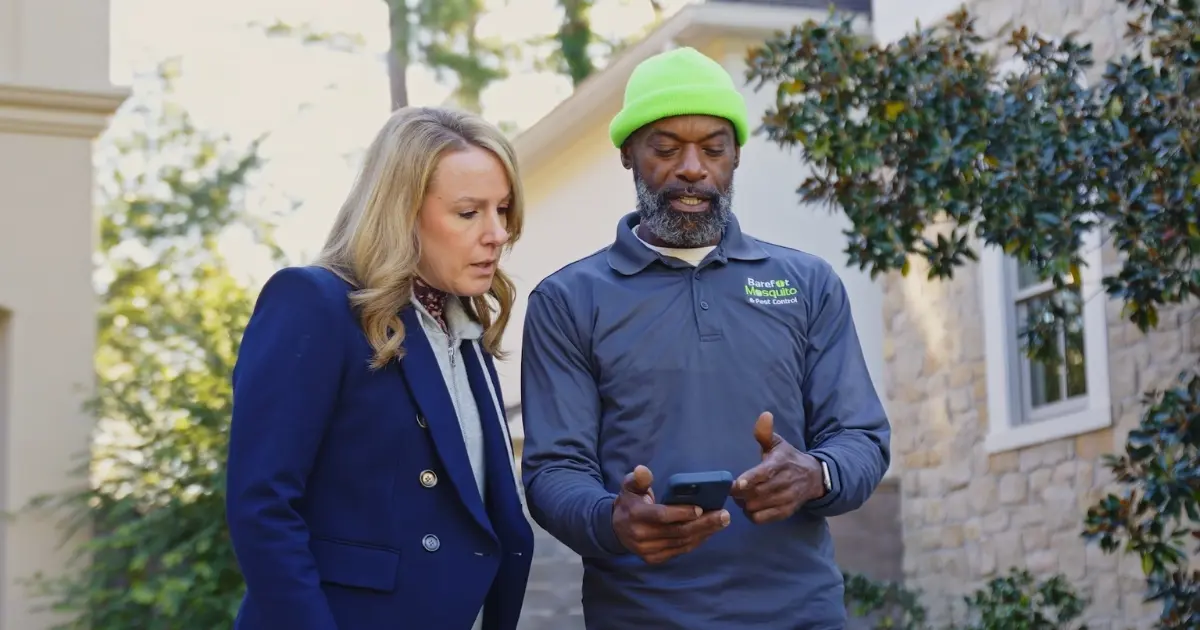
Licensed technicians are trained to identify pest species accurately and understand their behavior patterns.
That includes:
- Locating nests and breeding areas
- Evaluating entry points
- Assessing environmental conditions that attract pests
With this information, treatment can be more precise and focused.
More Effective Tools and Techniques
Professional services typically rely on commercial-grade materials and specialized equipment that are not available over the counter.
These may include:
- Commercial-grade products – Designed for longer-lasting residual effects
- Specialized equipment – Reaching wall voids, attics, and perimeter zones
- Growth regulators – Interrupting pest reproduction cycles
Instead of blanket chemical applications, modern pest management often uses targeted techniques to reduce unnecessary pesticide use while addressing active infestations.
Long-Term Prevention and Monitoring
In regions like Texas and Oklahoma, warm temperatures can extend pest activity for much of the year. Ongoing monitoring and seasonal service plans help manage changing pest pressures.
Professional service may also include:
- Routine maintenance visits
- Recommendations for structural or environmental adjustments
- Service guarantees backed by clear terms
The goal isn’t just to treat what’s happening today, but to help reduce the likelihood of recurring issues.
When It’s Time to Call a Professional
Some pest problems exceed what DIY methods can reasonably address.
It may be time to schedule an inspection if you’re dealing with:
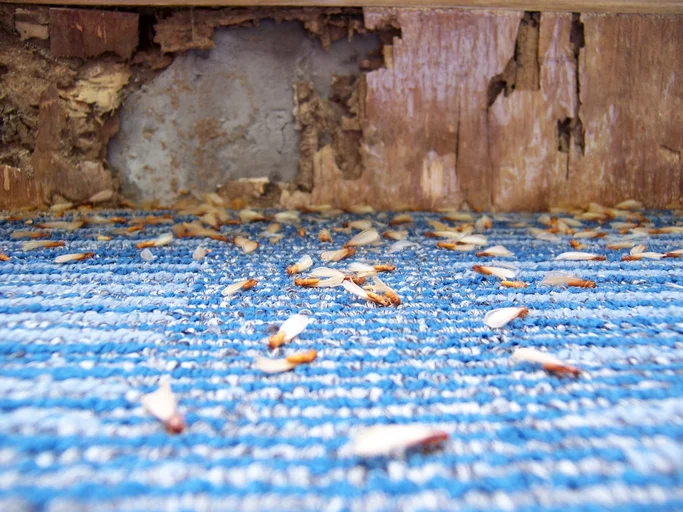
- Termites – Especially if signs of structural damage are present
- Bed bugs – Known for spreading quickly and reinfesting
- Rodents – Which can contaminate food and insulation
- Recurring infestations – Even after repeated treatments
- Health-related pest concerns – Such as stinging insects near entryways
In these cases, professional evaluation can help clarify what’s happening and what options are available.
DIY vs Professional Pest Control: Balancing Cost, Time, and Peace of Mind
DIY pest control may seem less expensive at first. But repeated product purchases, troubleshooting time, and recurring infestations can add up.
Professional service involves a more structured approach:
- Inspection
- Identification
- Targeted treatment
- Follow-up
For many homeowners, that structure offers something valuable: clarity about the problem and confidence in the plan moving forward.
Ultimately, the right choice depends on the situation. Minor issues may be manageable on your own. More persistent or high-risk problems often benefit from professional support.
A Smarter Way to Protect Your Home
DIY pest control has its place, especially for prevention and small, isolated issues. But when pests return or the situation becomes more complex, professional services provide a deeper level of protection.
At Barefoot Mosquito & Pest Control, we focus on smarter pest management that reduces unnecessary pesticide use and addresses the root causes of infestations. With nearly 30 years of experience serving homeowners in Texas and Oklahoma, our team provides clear recommendations and free inspections to help you make an informed decision about your home.
If you’re unsure whether DIY is enough, a professional evaluation can help you weigh your options with confidence. Contact us at (888) 840-5806.

.jpg.2512111528499.webp)
.jpg.2512111519035.webp)