Spraying a home's entire perimeter every month often places chemicals where pests never go. Integrated pest management (IPM) offers a more thoughtful way to protect your Dallas home by aligning treatments directly with pest activity rather than a fixed calendar.
With hot summers, heavy rainfall, and mild winters, Dallas provides many opportunities for pests to thrive. A precise and targeted approach works well in this climate, adapting naturally as pest activity changes throughout the seasons.
What Is Integrated Pest Management?
Integrated pest management is a decision-making approach to pest control. Instead of applying a pesticide on a schedule, you identify the pest, decide how much activity calls for action, and choose the lowest-impact control to solve the problem. While chemical products remain available, they are one option among several.
IPM combines prevention, monitoring, and targeted control. Sealing entry points, fixing moisture problems, and removing food sources lower pest pressure before any product goes down. If treatment becomes necessary, targeted products are applied precisely to areas with active pest presence.
Common Dallas Pests IPM Targets
Integrated pest management thrives against Dallas pests that have predictable habits and hiding spots, such as fire ants, American cockroaches, and house spiders.
Instead of relying on blanket sprays, this method pairs physical prevention with targeted controls tailored to the specific insects invading your property.
Understanding how IPM outsmarts these specific local threats ensures you choose a protection plan built for the Texas climate. Here is how IPM handles them:
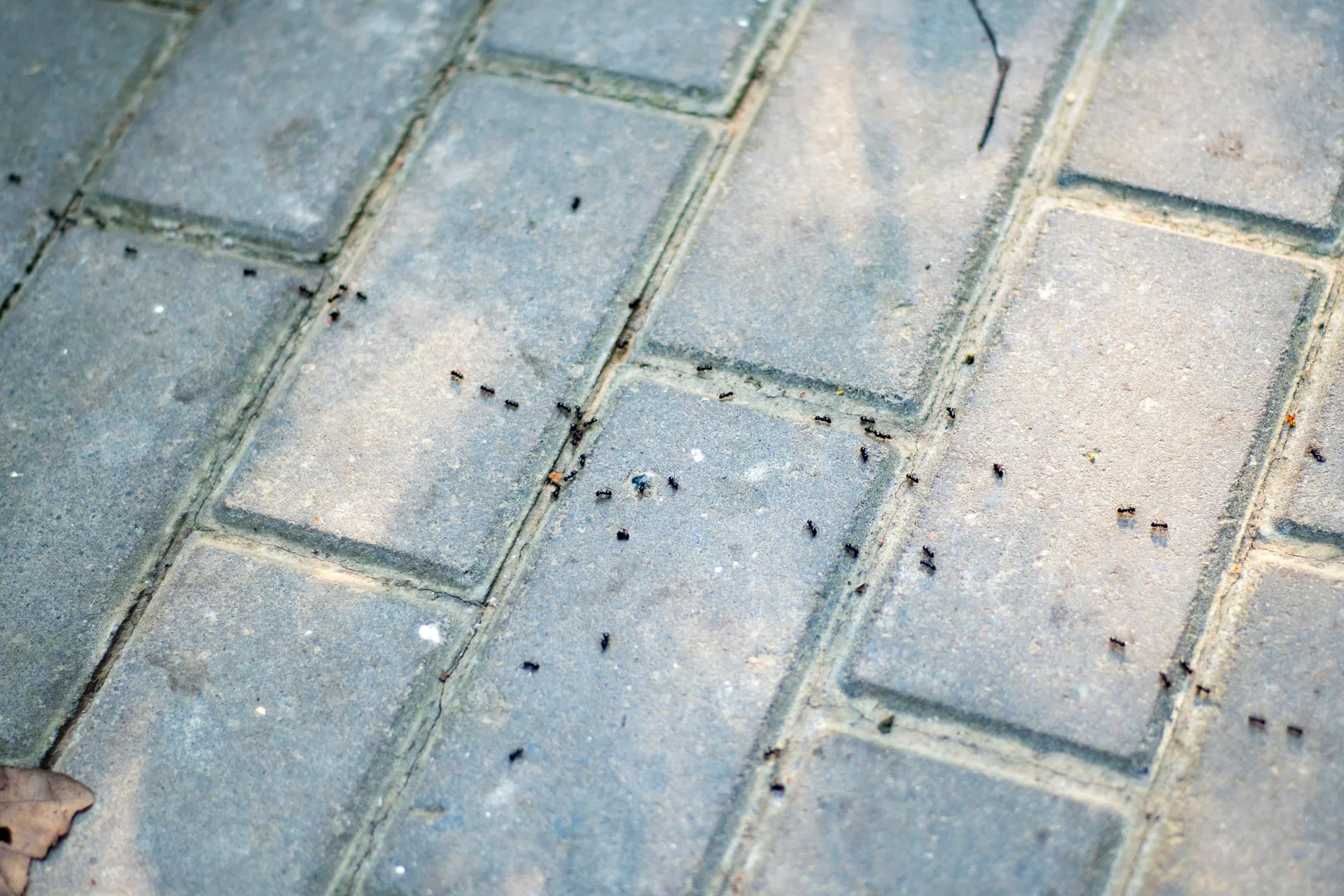
- Ants: Colonies live out of sight, so baits foragers carry back to the nest reach the source. Seasonal ant activity usually follows food and moisture, which prevention can remove.
- Cockroaches: Roaches hide in wall voids, under appliances, and around plumbing. Gel baits and sealed gaps address these hiding spots without treating open living areas, and most cockroach problems trace back to a food or moisture source worth fixing first.
- Spiders: Spiders follow the insects they eat. Reducing prey and clearing webbing, clutter, and outdoor lighting attractions addresses the cause instead of the symptom.
- Mosquitoes: Standing water sustains breeding, so draining containers and fixing drainage lowers the population before any product goes down. Knowing the common mosquito breeding zones around a yard tells you where to look first.
- Rodents: Mice and rats enter through small gaps. Exclusion, sanitation, and monitored traps or bait stations control activity with limited product use, and understanding why rodents move indoors helps you seal gaps before cold weather arrives.
- Fleas and Ticks: Wildlife, pets, and tall grass bring both into a yard. Yard maintenance, pet treatment, and spot treatments in shaded areas focus on the places where they wait.
- Termites: Termite colonies feed out of sight, often for a long time before damage shows. Monitoring stations and bait systems allow early detection and colony-level control, and knowing what brings termites into a home lets you remove the conditions first.
The 5 Steps of Integrated Pest Management
Every successful IPM program follows a clear and proven step-by-step process, whether you're dealing with a single ant trail or managing rodents in the attic. Skipping a step can lead to treating the wrong pest or using more product than necessary.
Here is how the steps work together:
- Inspection: Technicians check the interior, foundation, yard, and moisture sources for pest activity and the conditions behind the problem.
- Identification: The correct pest name decides the treatment, since a fire ant colony and a carpenter ant colony need different responses.
- Thresholds: Not every sighting calls for treatment. One spider in a garage differs from a roach population in a kitchen, so the plan sets the level of activity needed to trigger action.
- Control: Prevention and physical steps come first, followed by targeted treatments matched to the pest. Products go only where activity exists.
- Evaluation: Follow-up visits confirm the treatment worked and show whether conditions around the home need adjustment.
Targeted Pest Treatment Approaches That Reduce Chemical Use
Integrated pest management favors precision over routine spraying. Our technicians at Barefoot Mosquito & Pest Control follow a reduced-pesticide approach built on targeted applications and other management techniques, so products go where pests are active instead of everywhere.
Root Cause Management
Treating the pests you see leaves the reason they showed up in place. Any IPM plan should target the root causes of infestations by eliminating the factors that attract and sustain pests.
During an inspection, these will be flagged. This could include potential entry points and environmental factors that draw pests to your property. Fixing those conditions lowers the need for repeat treatments, which keeps pesticide use down.
Baiting Systems for Colony Elimination
Bait pairs a slow-acting ingredient with a food ants and roaches want. Foragers feed on the bait and carry the active ingredient back to the nest or hiding area, exposing other insects along the way.
The colony declines from the inside, which means less product than treating every surface. Barefoot applies the same logic to termites, using subterranean bait stations to target the colony.
Crack and Crevice Applications
Crack and crevice treatment places a small amount of product directly into wall voids, behind baseboards, and inside gaps around plumbing and cabinets. Roaches, ants, and spiders hide and breed in these spaces.
The product stays inside the void, so floors, countertops, and open air stay clear. Children and pets spend time in those areas, so keeping products out of them matters.
Precision Spot Treatments
Blanket spraying coats every surface, including areas with no pest activity. Spot treatment goes only to the active zone, such as a single anthill or an infested shrub.
The surrounding lawn, garden, and pollinators stay untouched. The problem gets controlled without collateral damage to the rest of your yard.
The Benefits of an IPM Approach
Because Dallas sees pest activity shift throughout the year, choosing an integrated approach delivers lasting benefits over time. Here are a few key advantages homeowners experience when switching to targeted pest management:
- Protects Human and Pet Health: Treatments placed in wall voids and bait stations keep products out of common living areas, which lowers exposure for children, pets, and adults.
- Reduces Environmental Impact: Less spray means less chemical runoff into storm drains and yards, and beneficial insects such as bees and ladybugs stay protected.
- Saves Money Long-Term: Preventing severe infestations and cutting repeat chemical applications lowers the total cost of keeping a home protected.
- Slows Pesticide Resistance: Insect populations exposed to the same product again and again can build resistance. Baits, spot treatments, and non-chemical steps vary the pressure on a population and slow the process.
Fewer treatments, infestations, and chemicals make a home easier to protect year after year.
Ready for Smarter Pest Control in Dallas?
Barefoot Mosquito & Pest Control has built its approach around Integrated Pest Management since 1996, using targeted applications and fewer chemicals to protect homes across Texas and Oklahoma.
Our team offers free inspections and estimates, and same-day appointments are available for pest emergencies. See what pest control in Dallas, TX looks like for your home.
Ready for a plan built around your home? Contact Barefoot Mosquito & Pest Control or call (888) 840-5806 to schedule your free inspection and estimate.