Trees and shrubs are an important part of any Texas landscape, but they’re also frequent targets for pests that often go unnoticed. Many homeowners don’t realize there’s a problem until visible damage appears—by then, the pests may already be well established.
Understanding what to look for can help you catch issues early and protect the health of your outdoor spaces. Even small signs can point to larger pest activity happening beneath the surface.
If you’re noticing unusual damage in your yard or want help identifying potential issues, explore pest control in Austin, TX for residential support. You can also reach Barefoot Mosquito & Pest Control at (888) 840-5806 with questions or to discuss service options.
Why Tree and Shrub Pests Are Easy to Miss
Unlike indoor pests, landscape pests often hide in bark, soil, or dense foliage. This makes early detection difficult for most homeowners.
Common reasons they go unnoticed:
- Activity happens inside branches or root systems
- Damage appears slowly over time
- Signs are mistaken for weather stress
By the time symptoms are visible, pests may already be active throughout the plant.
Common Pests Found in Texas Landscapes
Several pests affect trees and shrubs across Texas, especially during warm months.
Some of the most common include:
- Aphids feed on leaves and stems
- Spider mites are causing leaf discoloration
- Scale insects attach to branches and bark
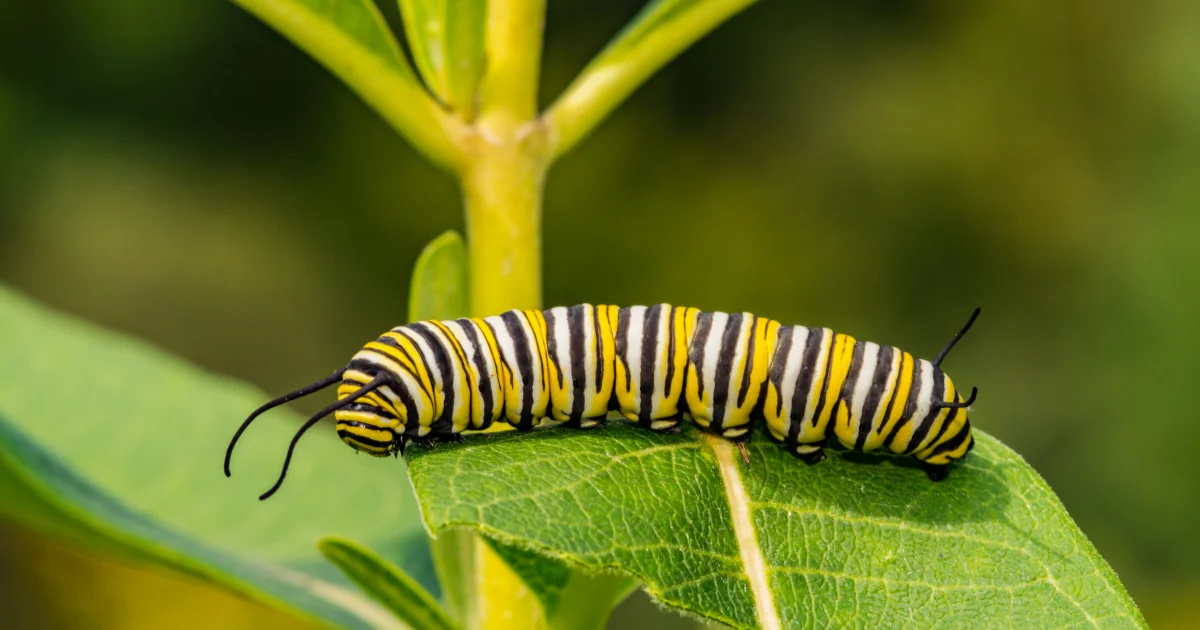
- Caterpillars feeding on foliage
Each pest affects plants differently, but all can weaken long-term plant health.
Early Warning Signs to Watch For
Spotting early signs can help reduce long-term damage to your landscape.
Look for:
- Yellowing or curling leaves
- Sticky residue on branches or leaves
- Patchy or thinning foliage
- Small holes or chewed leaf edges
These symptoms often appear before a major decline becomes visible.
How Weather Impacts Pest Activity
In Texas, heat and humidity can increase pest reproduction and activity in outdoor plants. Stress from extreme weather also makes trees and shrubs more vulnerable.
During summer and early fall, you may notice:
- Faster pest population growth
- More visible leaf damage
- Increased stress on already weakened plants
Simple Ways to Support Healthy Plants
While pests are common, healthy landscaping practices can help reduce risk.
Helpful steps include:
- Regular watering during dry periods
- Trimming dead or overgrown branches
- Avoiding over-fertilization
- Checking plants regularly for changes
Consistency helps keep plants stronger and more resistant to pests.
Protecting Your Landscape Long-Term
Tree and shrub health plays a big role in your home's overall appearance. Early attention to pest activity can help prevent more extensive damage later.
Many homeowners choose seasonal pest monitoring as part of their overall property care routine to help maintain healthier outdoor spaces.
Let Us Handle Tree Shrub Pests
Tree and shrub pests are often overlooked until damage becomes obvious. Learning the early signs can help you stay ahead and protect your landscape year-round.
If you’ve noticed changes in your plants or want help identifying potential pest issues, Barefoot Mosquito & Pest Control can help guide next steps. Learn more through pest control in Austin, TX or call (888) 840-5806 for support.