If you live in Dallas, mosquito season feels like it never really ends, and that is close to the truth. Our hot, humid summers and mild winters give mosquitoes one of the longest active windows in the country. In the Dallas-Fort Worth area, mosquitoes start showing up in late March as temperatures warm, build through the summer, and stay busy into November before the first hard cold snaps finally slow them down. That is roughly eight months of buzzing, biting, and itching if you do nothing about it. The good news is that a long season is also a predictable one. When you understand when mosquitoes arrive, why DFW is such a friendly place for them, and what you can do around your own yard, you can take back your evenings on the patio.
Dallas Mosquito Season Runs From Spring Into Late Fall
Mosquitoes become active once daytime temperatures hold steady in the 70s, which in Dallas usually happens in late March. From there the population climbs fast. By June, July, and August, when the DFW heat regularly pushes past 100 degrees and afternoon storms leave standing water behind, mosquito activity hits its peak. Those months are when most homeowners notice they cannot sit outside at dusk without getting bitten. Activity stays high through September and often deep into October, then tapers off as nights turn cooler in November. Because our winters rarely bring sustained freezing weather, mosquito eggs and adults survive in sheltered spots and bounce back quickly the next spring. This long season is also why West Nile virus is a real concern in Dallas County, where cases are reported nearly every year. The longer mosquitoes are active, the more chances they have to spread it, which is why an early start on control matters so much here.
Why the DFW Landscape Breeds So Many Mosquitoes
Dallas gives mosquitoes almost everything they need to thrive. The Trinity River winds right through the middle of the city, and creeks, drainage channels, and low spots feed water into neighborhoods all over the Metroplex. Landmarks like White Rock Lake and the ponds and greenbelts scattered through East Dallas hold water year-round, creating steady breeding grounds nearby. Add in our clay-heavy soil, which drains slowly and traps rainwater in yards and flower beds, and you have countless small pools for mosquitoes to lay eggs in. Mature, shaded neighborhoods such as Lakewood, Preston Hollow, and Oak Cliff make the problem worse in their own way. Big trees and dense landscaping give mosquitoes cool, damp places to rest during the heat of the day, so they stay close to your home instead of moving on. Remember that mosquitoes do not travel far. Most of the ones biting you were born within a few hundred feet of where you are standing, which means your own property is where control begins.
How to Reduce Mosquitoes Around Your Dallas Home
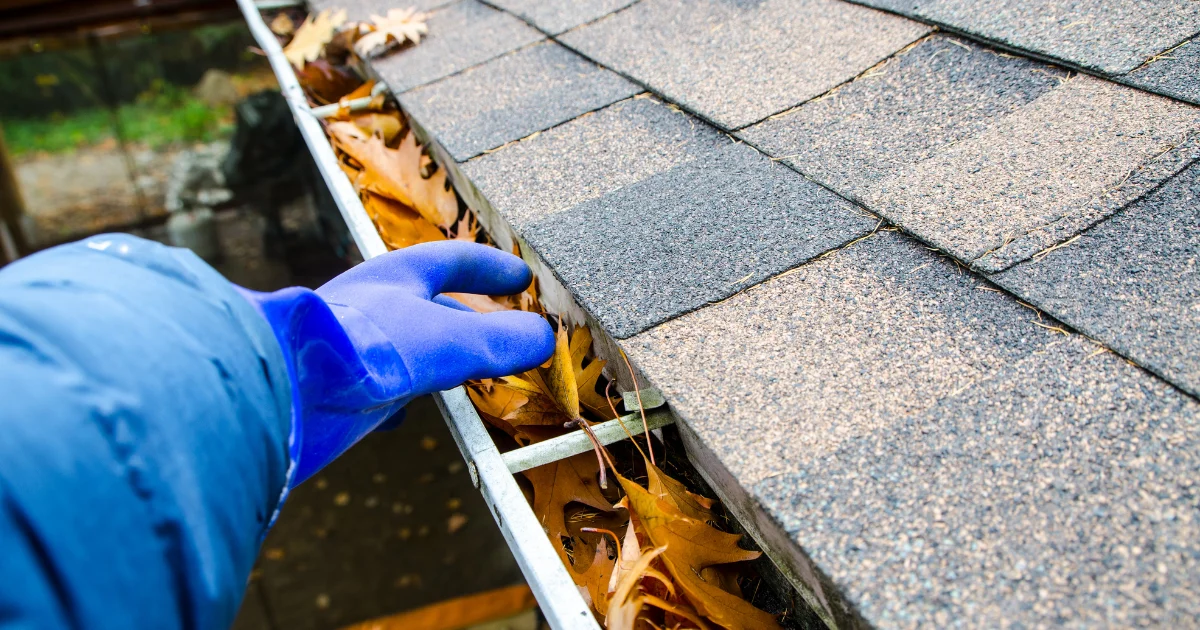
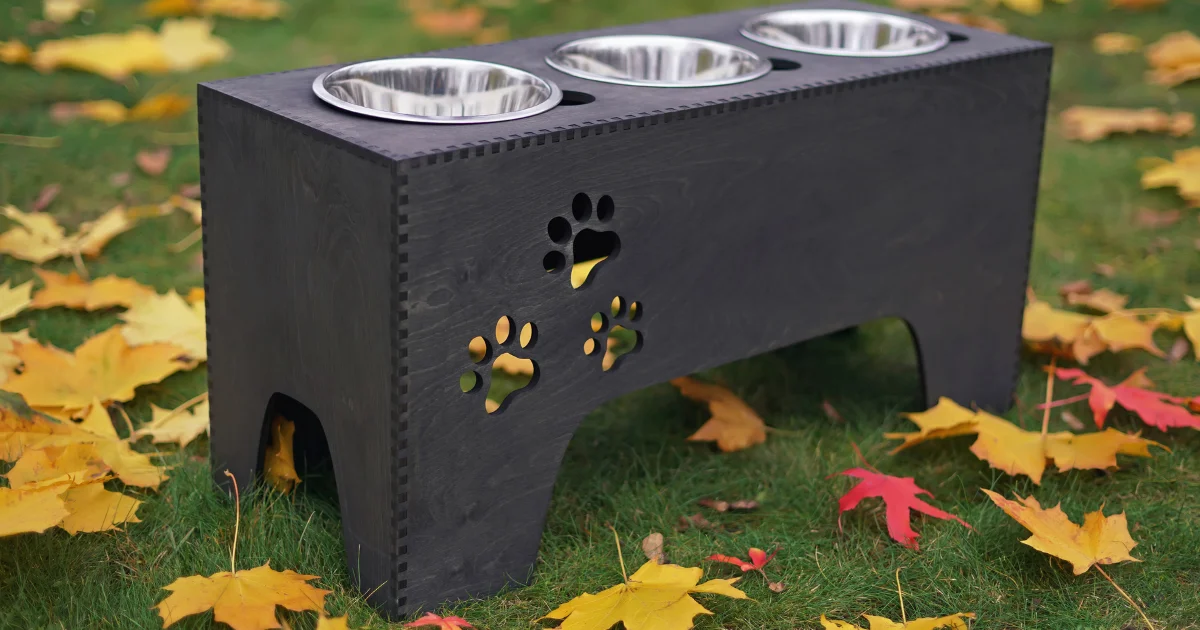
The single most effective thing you can do is get rid of standing water, because mosquitoes only need a bottle cap of it to breed. Walk your yard once a week and empty anything that collects rain: plant saucers, buckets, kids' toys, tarps, wheelbarrows, and clogged gutters. Refresh birdbaths and pet water bowls every few days so eggs never get the chance to hatch. Keep your grass cut and trim back dense shrubs so adult mosquitoes have fewer shady places to hide during the day. If you have a pool, fountain, or rain barrel, keep the water moving or screened, since still water is what draws them in. Fixing torn window and door screens keeps the ones outside from coming in. These habits go a long way, especially early in the season before the population explodes. Still, backyard steps alone rarely stop mosquitoes that breed in a neighbor's yard, a nearby creek, or a storm drain you cannot reach.
When to Call a Professional
When you have dumped the standing water, trimmed the yard, and the bites keep coming, it is time to bring in help. This is where professional mosquito control makes the biggest difference, because it treats the shaded resting areas and breeding sites you cannot manage on your own. At Barefoot Mosquito and Pest Control, we treat Dallas yards using our Barefoot Method, which leans on botanical essential oils and low-toxicity products applied by licensed technicians. It is designed to be tough on mosquitoes while being mindful of your children and pets. The best time to start is early, before spring populations build, so your yard heads into summer with a protective barrier already in place. We also offer free inspections and same-day service in many cases, with no long-term contracts required. If mosquitoes return between scheduled visits, we come back and re-treat at no additional charge.
Do not let another Dallas summer get eaten up by mosquitoes. For pest control in Dallas, call us at (214) 441-6643 or contact us online.