
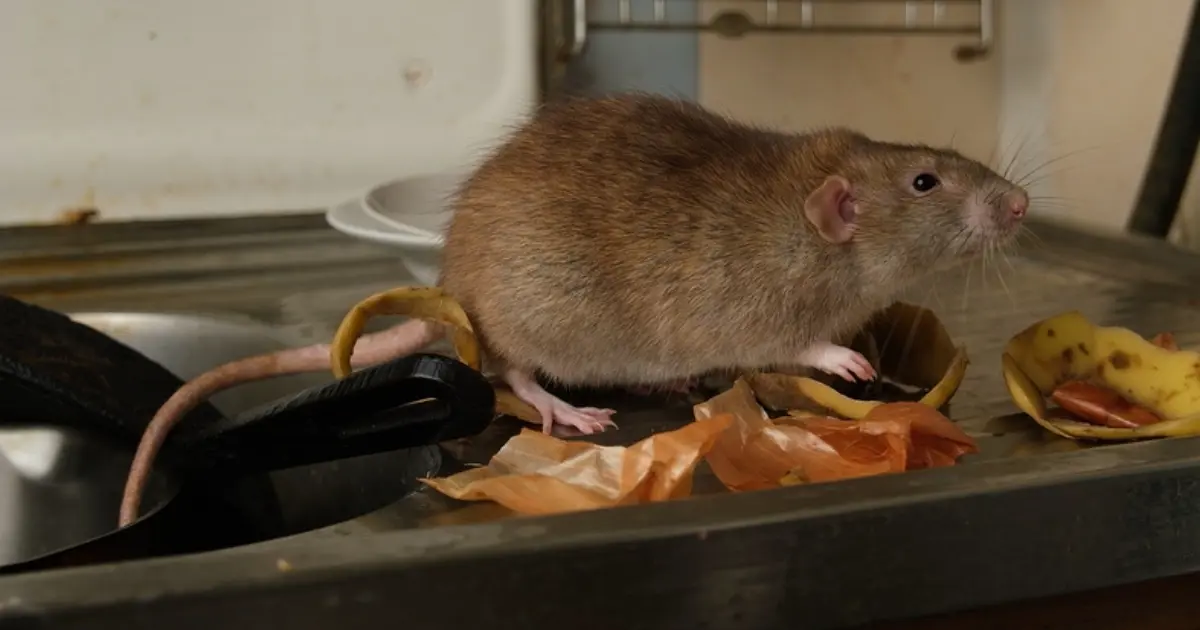
Rats are more than an unpleasant surprise in a restaurant—they can threaten food safety, damage property, and put your reputation at risk. In a busy food service environment, even small gaps or routine habits can attract rodents. Knowing how rats get in and what encourages them to stay is key to protecting your space.
If you’ve seen droppings, gnaw marks, or late-night movement, don’t wait. Take proactive steps now:
Reach out through our online contact form or call (888) 840-5806 to discuss next steps with care and clarity.
Who This Guide Is For
This article is for restaurant owners, general managers, and kitchen managers in Austin, TX, especially those operating fast-casual, full-service, or multi-unit locations who are concerned about health inspections, customer trust, and preventing rodent activity before it becomes a larger issue.
Why Restaurants Attract Rats
Restaurants naturally offer the three things rats look for most: food, water, and shelter. Even clean, well-run kitchens can be at risk.
Common attractants include:
- Food scraps in trash or floor drains
- Grease buildup behind equipment
- Standing water from leaks or mopping
- Warm, hidden spaces near appliances
Because rats are primarily active at night, early signs are often missed during daytime operations.
Seal Entry Points Inside and Out
Rats can squeeze through openings as small as a quarter. Rat-proofing starts with blocking access.
Areas to inspect regularly:
- Gaps under back doors and delivery entrances
- Cracks in foundations or walls
- Utility line openings
- Roof vents and poorly sealed ducts
Using door sweeps, sealants, and proper screening can significantly reduce entry opportunities.
Manage Food Storage and Waste Carefully
Good sanitation habits are one of the most effective prevention tools.
Best practices include:
- Store all food in sealed, rodent-resistant containers
- Clean spills immediately, especially at closing
- Empty trash nightly and keep dumpster lids closed
- Position dumpsters away from building entrances
Consistency matters—minor lapses can quickly become patterns rats take advantage of.
Reduce Clutter and Hiding Spots
Rats prefer quiet, undisturbed spaces where they can nest and move unseen.
Focus on:
- Keeping storage rooms organized
- Reducing cardboard buildup
- Spacing items off the floor and away from walls
- Checking rarely used areas like basements or storage closets
A clutter-free environment makes it easier to spot early warning signs.
Address Moisture and Plumbing Issues
Like all pests, rats need water to survive.
Be sure to:
- Fix leaks promptly
- Monitor floor drains
- Dry mop heads overnight
- Check dishwashing and bar areas for excess moisture
Limiting water sources makes your space less inviting overall.
The Role of Professional Pest Control
While daily habits are essential, professional monitoring adds another layer of protection. Routine services such as pest control services in Austin, TX can help identify risk areas, monitor activity, and recommend practical improvements tailored to commercial kitchens.
Professional support is especially valuable before health inspections or during seasonal changes when rodent activity often increases.
Rat-Proof Your Space Today
Rat-proofing a restaurant is an ongoing process, not a one-time fix. With consistent sanitation, building maintenance, and regular evaluations, you can reduce risk and protect both your customers and your brand.
If you’re looking for dependable pest control services in Austin, TX, contact Barefoot Mosquito & Pest Control today.
Start with our online contact form or call (888) 840-5806 to discuss your restaurant’s needs.