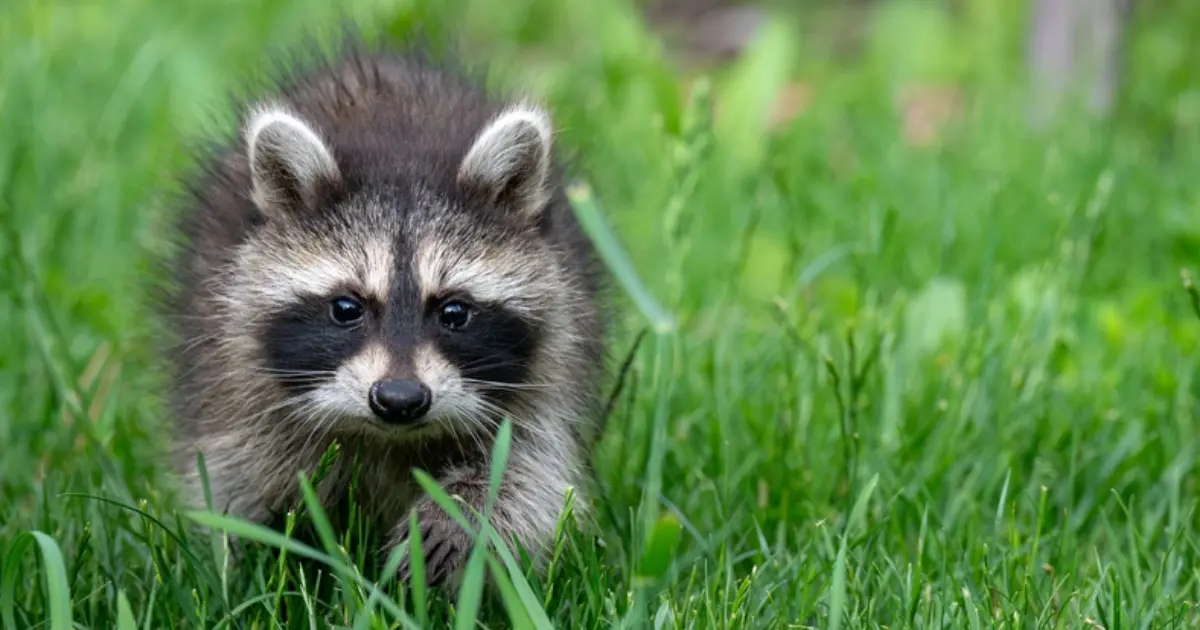
Hearing scratching sounds in the attic or noticing overturned trash can be unsettling—especially when the cause turns out to be raccoons. These animals are common in Austin neighborhoods and often look for warm, quiet places to shelter. Understanding why raccoons enter homes and what steps can help remove them safely is key to protecting your space.
If you believe raccoons may be inside your home, acting sooner can help limit damage.
Contact Barefoot Mosquito & Pest Control today or call (888) 840-5806 for compassionate guidance on the next steps.
Who This Is For
This guide is for Austin-area homeowners, especially those in single-family homes with attics, chimneys, or crawl spaces, who are hearing noises, noticing damage, or are concerned about wildlife entering their home, and want clear, calm information.
Why Raccoons Enter Homes
Raccoons are highly adaptable animals. They’re drawn to homes that offer shelter, food, and safety from predators.
Common reasons raccoons move indoors include:
- Warm, quiet attic spaces
- Easy access through the roof or soffit damage
- Nearby food sources, like trash or pet food
- Safe places to raise young
Once inside, raccoons may stay for extended periods if conditions remain favorable.
Signs Raccoons May Be Inside
Raccoons are mostly active at night, so signs often appear after dark or early in the morning.
Watch for:
- Heavy scratching or thumping sounds
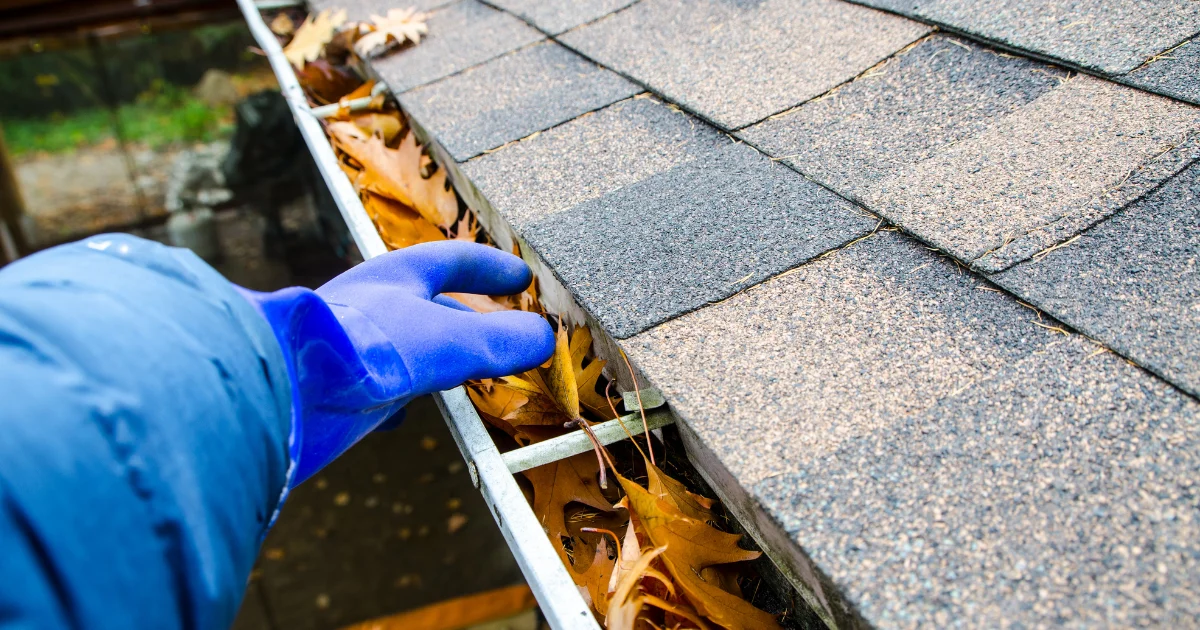
- Damage to vents, shingles, or fascia
- Droppings in attics or crawl spaces
- Strong, unusual odors
If you notice these signs, avoid entering confined spaces without protection, as raccoons can carry diseases.
Remove Food and Attractants Outside
Limiting access to food is one of the most critical steps in discouraging raccoons.
Helpful steps include:
- Securing trash cans with tight-fitting lids
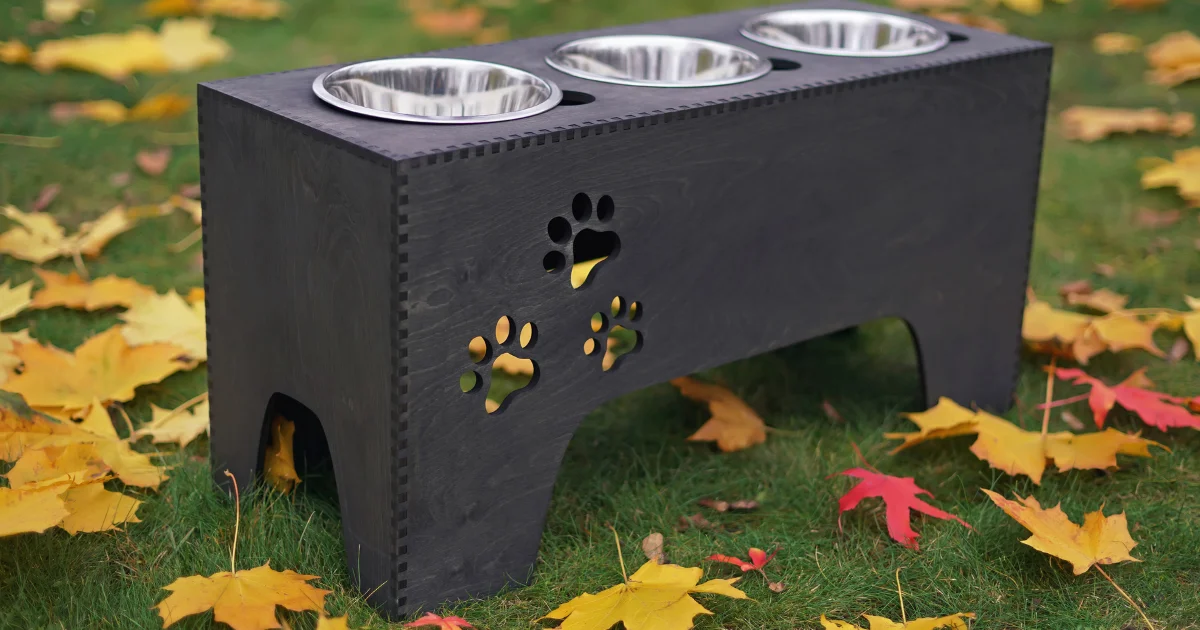
- Bringing pet food indoors overnight
- Cleaning up fallen fruit from trees
- Avoiding intentional wildlife feeding
Reducing food sources makes your property less appealing to raccoons.
Seal Entry Points After Removal
Raccoons can squeeze through surprisingly small openings and will reuse access points if not addressed.
Focus on:
- Repairing roofline and soffit damage
- Securing attic vents and chimney caps
- Closing gaps near eaves and crawl spaces
Sealing openings should only be done after raccoons are no longer inside to avoid trapping them indoors.
Avoid DIY Trapping or Removal
While it may be tempting to handle raccoons yourself, improper removal can lead to injury, property damage, or legal concerns.
Potential risks include:
- Aggressive behavior occurs when animals feel cornered
- Orphaned young left behind
- Exposure to parasites or bacteria
Professional help ensures raccoons are handled humanely and in line with local guidelines.
When Professional Help Is the Right Choice
If raccoons have entered your home or repeatedly return, professional support can help assess the situation and recommend next steps. Services like pest control services in Austin, TX can help identify entry points, reduce attractants, and guide safe removal options.
Professional evaluations can also help prevent future issues by addressing conditions raccoons rely on.
Get Raccoons Away From Your Home
Raccoons are resourceful animals, but they don’t need to become long-term guests in your home. Early attention, exclusion steps, and informed decisions can help reduce stress and damage.
If you’re dealing with raccoon concerns, reach out to Barefoot Mosquito & Pest Control for practical, supportive help.
Schedule through our contact page or call (888) 840-5806 to discuss your situation.